Sometimes the toughest opponent doesn’t wear a gi. It doesn’t slap and bump. It doesn’t tap out. Sometimes, the fight is with your own body and the only mat is the one you’re forced to stay off of.
The Onset
It started like so many other injuries in this sport do, with something that didn’t seem like a big deal. A little pain, a little swelling. Maybe just the aftereffects of a hard roll. But this time was different. I didn’t pay it much attention and kept rolling until one day after an open mat someone pointed out my ear had swollen up.
And that’s when I knew: this wasn’t just a bruise. It was something more.
The Diagnosis
When I finally went to get it checked out, I was met with a word I wasn’t expecting: hematoma.
A collection of blood pooling in the muscle tissue. A reminder that the body has its own limits, even when the mind is still chasing the next belt, the next stripe, the next roll.
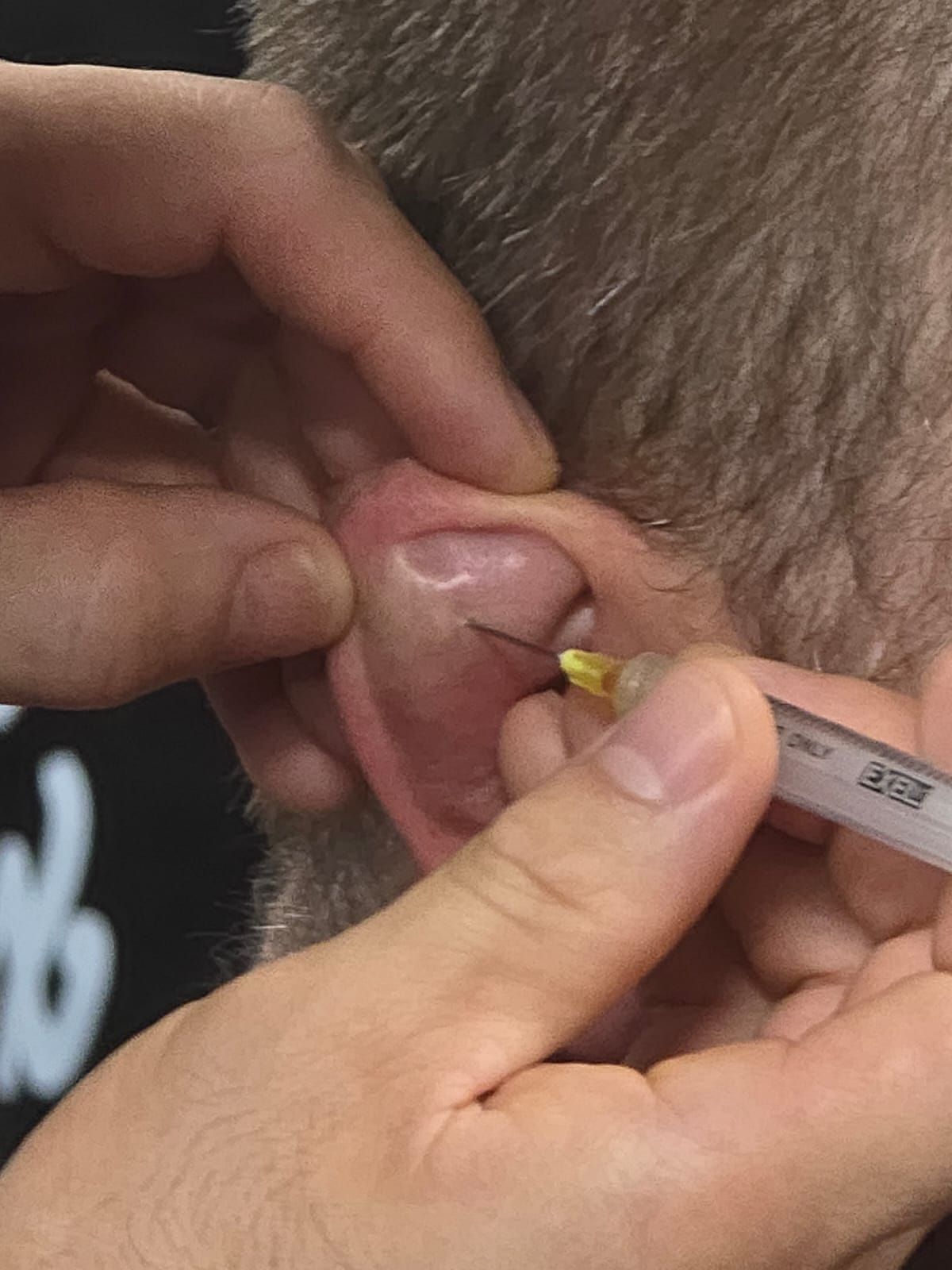
The doctor’s advice? Get it drained. Compressed. Ice. Rest. No training. Elevation. All the usual stuff that sounds simple until you realize what it really means: time away from the thing that keeps you grounded.
Ear hematomas are common in grappling and often lead to cauliflower ear. Some grapplers wear it like a badge of honor and I get that. But I wasn’t ready for the look. Having this happen to me for the first time in over six years of training caught me completely off guard.
The Mental Toll
What caught me off guard wasn’t the physical pain. It was the mental stillness. The way the days felt slower without the rhythm of training. The way the feelings I had used training to quiet came rushing back in. Sadness. Insecurity. Loneliness.
BJJ isn’t just exercise for me. It’s therapy. It’s where I process life, release tension, find clarity.
And without it, the silence crept in.
The doubts.
The restlessness.
The subtle fear that I might lose progress or worse, lose part of myself.
Recovery As a New Kind of Roll
Overtime, I realized recovery is its own kind of training.
You need patience. You need body awareness. You have to let go of ego. You have to listen.
Every time I resisted rest, I prolonged the healing. Every time I honored it, I took a step toward returning.
So I started to treat recovery like a roll: stay calm, breathe, don’t force the position. Adapt to what’s in front of you.
What I’ve Learned
This hematoma taught me that resilience isn’t just about pushing through, it’s also about knowing when to pause.
It taught me that slowing down doesn’t mean stopping.
That healing is a part of training. To trust my body.
And that sometimes, the most important grappling match is the one happening within.
Still Grappling
I’m still healing. Still learning. Still grappling (with headgear until it’s 100%).
But I have a deeper respect for my body, my mind, and the balance between drive and rest.
Because the mat will always be there.

 Grappling with Jiu-Jitsu