
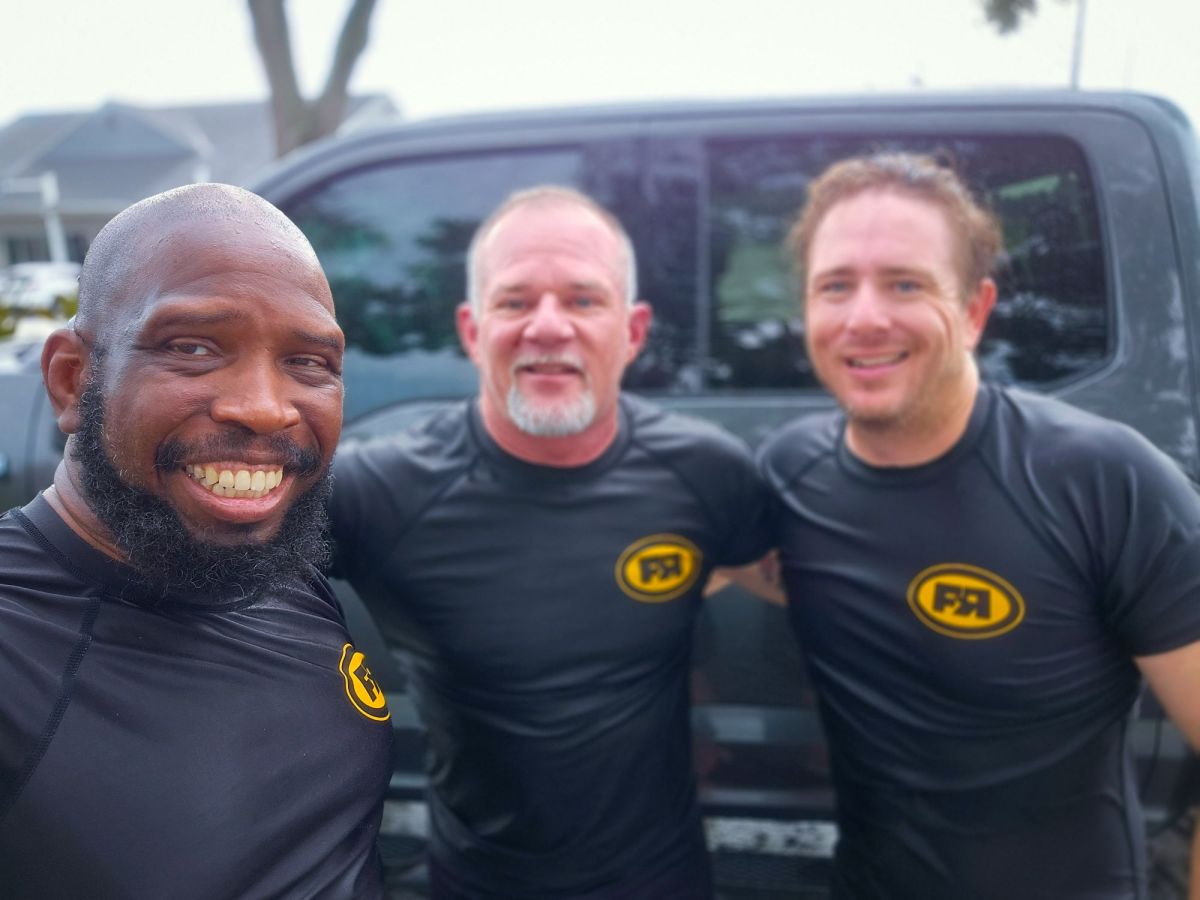
There’s a saying in Jiu Jitsu: iron sharpens iron. But iron doesn’t sharpen itself. it needs resistance, friction, and the right kind of partner.
In a sport where it’s easy to obsess over your own belt, your own progress, and your own survival on the mat, it’s easy to forget that growth isn’t a solo mission. Your coaches can guide you, but it’s your training partners who shape you day after day. They are your mirrors, your measuring sticks, your silent coaches. Unlike some martial arts, it’s impossible to truly learn and level up in Jiu Jitsu alone.
I’ve come to realize the people I train with aren’t just bodies to drill with, they’re essential to my progress.
Good Training Partners Make You Better. Here’s How
The best training partners:
- Give honest feedback. They’ll tell you when your defense is sloppy, when your arm’s in danger, or when you’re telegraphing your next move. They don’t let you build bad habits.
- Expose your blind spots. They don’t let you stay comfortable. They find the holes in your game and help you see them.
- Push you at your edge. They roll just hard enough to test you, but not to break you. They meet you where your growth happens.
- Trust you enough to correct you. Feedback isn’t always easy to give. Good partners risk awkwardness to help you.
- Stay consistent. They keep showing up, even as you start getting better. They’re not just there to win. They’re there to grow with you.
Signs You’ve Got a Good Training Partner
You know you’ve got a good one when:
- They roll to help you grow, not to just dominate you all the time.
- They can give and receive feedback without getting defensive.
- They’ll say, “Hey, you’re leaving your arm out there.”
- They don’t avoid rolling with you when the rolls get harder as you improve.
- They ask, “What are you working on? Want to rep that?”
How to Be a Good Training Partner
It’s a two-way street. Here’s how to give what you hope to get:
- Ask after a roll: “What did you notice? Anything I can work on?”
- Offer specific, helpful feedback: “You kept leaving space when you passed on that side.”
- Roll with people at all levels. Don’t just chase tough rolls or easy wins.
- Help newer students feel welcome. Share what’s been shared with you.
- Say thank you. Seriously. “Thanks for that roll—that showed me what I need to work on.”
A Personal Story
Just last week I went to a noon No-Gi class and rolled with some guys I generally don’t get to roll with as I usually go to night classes. These guys were tough. Their styles were similar because they train together often and their game was what my game is (pass and smash) except… better. They called me out for being on my knees too much and not generating enough pressure. They called me out for violating the toe control rule, or whatever it is called. I had never hard of it before that, but it’s when trying to pass an opponent in open guard. I kept getting too close to my opponent with my feet without first establishing grips. Feel free to clarify this for me if you know more, but it was and is still new to me. They also called me out for other small holes I have in my game, but it was the first time in a long time someone had called out my weaknesses so specifically. I mean, I knew I had weaknesses in my game, but it was great to have someone else call them out and offer sound advice to start fixing it. I left that training session feeling invigorated and ready to start working on closing those holes and appreciative of those two guys for pushing me and pointing them out to me.
Closing
Good training partners don’t just help you survive the next roll, they help you evolve. They sharpen your game, your awareness, and your ability to stay humble. If you’ve found people like that in your gym, keep them close, appreciate them, and do your part to be that person for someone else.
Because in Jiu Jitsu, we don’t grow alone. We grow together.
 Grappling with Jiu-Jitsu